Category: New Home Construction

  • Get Ready for a Busy Spring 2023 Real Estate Market

    Key Takeaways:

    • The spring real estate market is going to be busy
    • Lower mortgage rates mean increased competition
    • Get ready to succeed this spring—contact us today!

    The spring real estate market starts to shake things up after the quieter winter season, and this year is no exception. With mortgage rates cooling off from last year’s highs, the spring 2023 real estate market indicates that there will be plenty of homebuying and selling activity—and it’s starting early. So let’s take a look at what you can expect and how you can work with our team to help you find success and get into your next home. 

    Mortgage rates are trending lower
    Open door with key to home

    The good news for homeowners and potential homebuyers is that mortgage rates have reached their highest point and are now heading south toward a more comfortable rate. According to Forbes, the Mortgage Bankers Association (MBA) anticipates that the 30-year mortgage rate will be near 5.2% by the end of 2023, over one percentage point lower than their current level. 

    The decrease in rates comes as NAR’s Senior Economist Nadia Evangelou indicates that inflation should continue to subside, which would result in mortgage rates dropping even further. An expected reduction of this magnitude could save those with mortgages or looking to buy considerable amounts of money over time, making it an exciting opportunity for those in the market for new housing.

    Expect an increase in homebuying activity

    Family buying new house

    With mortgage rates decreasing, the National Association of Home Builders expects increased demand and more buyers returning to the market. Plus, more inventory on the market could further encourage potential buyers. Open houses are seeing more interest, with multiple bids surfacing after a prolonged lull. These are encouraging signs, indicating that an influx of new properties on the market could spark increased enthusiasm among eager homebuyers who’ve been waiting on the sidelines for some time now. 

    Once those buyers enter the market, they will attract new sellers and fill out the housing inventory available on the market. (Tight inventory was one of the defining issues of last year’s housing market, but there will be more to choose from this year during a busy spring season.) And, once those sellers turn around and buy, you’ll see the fast-paced, exciting spring real estate market we all know and love is in full bloom. 

    Look for deals on new construction homes
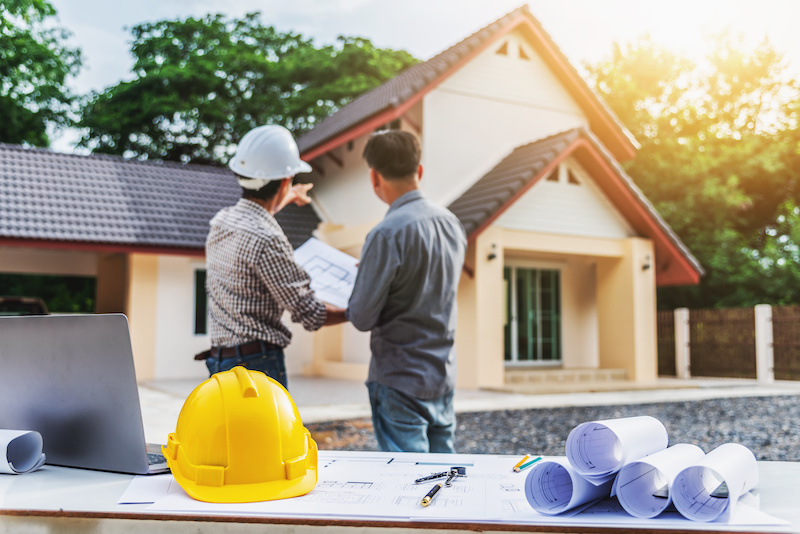
    Two business man professional engineer worker at the house building, happy feeling.

    America’s homebuilders are showing positive signs of growth as the demand for new houses rises alongside dropping mortgage rates. According to the National Association of Home Builders, sentiment among builders has increased for the first time in a year, with reports of increases in sales, traffic, and expectations for sales over the next six months. This surge in confidence and activity is influenced mainly by low interest rates, which is driving more homebuyers into the market.

    According to Zillow, the number of new homes currently under construction has risen 50% since February 2020. And newly complete homes are showing up on the market quickly, meaning there’s plenty for homebuyers to choose from. Our team will help you expertly work with builders to find special offers and incentives to get you into one of those gorgeous new homes!

    Hop Into the Spring Market With Us

    Are you ready for the 2023 spring real estate market? We are! There’s so much to consider, from mortgage rates to inventory and new construction homes. Buyers and sellers alike are eager to get things in full swing, so contact our team now so we can start building your ideal real estate strategy and take action. Spring is just around the corner—reach out today!

  • Do You Know the Hidden Costs of New Construction?

    Key Takeaways:

    • New construction homes can have hidden costs, which is why you have to pay attention to the details when deciding on a new build. 
    • When touring model homes, always ask the builder about what’s standard and what’s considered an upgraded feature with additional costs.  
    • Buy on your terms and work with our team to navigate the ins and outs of purchasing the new construction home of your dreams!

    Don’t Mistake “New Construction” with “All-Inclusive” 

    There are many advantages of buying a new construction home—low-maintenance living, brand-new appliances, and minimal repair costs are just a few. Plus, a new build provides a blank slate for buyers to begin making sweet new memories! 

    While buyers should be excited about all these benefits, they should also be aware of the potential hidden costs associated with purchasing a new build. We’re here to ensure you know exactly what is included in the overall cost of your new construction home. 

    Protect yourself before there’s a problem

    Just like an existing home, a brand-new home can have hidden issues that could require repairs. Something as simple as inadequate plumbing or roofing could result in sizable amounts of damage—this is why you have to protect yourself by being proactive in the home-buying process. All builders have their own nuances, which is why you should take the time to research different options before deciding on the right one. If you want some tried and true recommendations, your agent can provide valuable insight. Every home, including new builds, should be checked by an independent home inspector who isn’t affiliated with the builder. 

    Before you commit to purchasing a new build, make sure to read the fine print of the home warranty. You may have to rely on your warranty if any issues arise that aren’t covered by your homeowners’ insurance policy. And remember, not every warranty is the same, so it’s important to determine exactly what your warranty covers and the length of the coverage. 

    Stay true to your non-negotiables

    Newly-built homes aren’t guaranteed to include all the necessities, so you need to know what to expect from a standard model. It’s quite common for new builds to come without certain interior items, such as appliances and window treatments, plus exterior fencing and landscaping. 

    Before you make an offer, talk to your builder with your agent present and ask about the features included in your future home. Everything from drawer handles to light fixtures could cost extra, so be sure to compile a list of non-negotiables to budget for things you can’t live without.   

    Don’t be duped by the mesmerizing model home

    The model homes you’ll tour often have all the available upgrades the builder offers—we’re talking gourmet kitchens with granite countertops and open-concept floor plans with beautiful hardwood flooring. However, these top-level features could cost you thousands of dollars more than the builder’s grade basics. 

    You can work with your agent to figure out which features are included in the standard model’s base price. Be sure to focus on what originally made you fall in love with the property, not all the bells and whistles you see in the showy model. When contemplating which upgrades are worth the cost, think about the home’s future resale value—will the upgrades increase your return on investment and appeal to a variety of buyers? This is a prime opportunity to lean on your agent’s expertise to determine which upgrades will add the most value to your home.   

    Ready to Buy a New Build?

    When you buy a new construction home, you always want to have a trusted real estate agent by your side. Remember, the builder’s sales agent has the builder’s best interest in mind—not yours. We have the new construction experience needed to guide you through the negotiation process and make sure you’re getting your money’s worth. Contact us to learn more about new construction properties in the area, and we’ll get the ball rolling on buying your new home today! 

  • The Time to Buy New Construction Is Now

    Key Takeaways:

    • Buying a new build is the best way to craft a home that fits all your needs, and you’ll get the customization you crave. 
    • Material costs are on the rise, and you shouldn’t wait for them to come down—invest in new construction now to lock in your preferred price. 
    • We have the knowledge and network of connections you need to get started on your new construction project. Give us a call and we can discuss your options! 

    What if Your Dream Home Doesn’t Exist Yet?

    The past year has made many homeowners redefine what their dream home looks like, and it’s something different for everyone. If you’ve spent time searching the real estate market but can’t find an existing home that suits your specific needs, you should consider new construction. Whether it’s a custom-built home, a recently renovated older property, or a spec home in a newly constructed neighborhood, there are tons of options available right now. And luckily for you, we have all the knowledge you need to bring your dream home into existence.  

    Here’s what you need to know about new construction

    new construction home being built

    Buying new construction isn’t as simple as selecting a floor plan then signing the dotted lines. There is a detailed timeline for constructing a home that you’ll need to discuss with your builder and lender. When you work with an agent who specializes in new builds, you’ll learn all the nuances that come with buying new construction—plus, you’ll have someone who will always be on your side. 

    When you decide to buy a new build, you’ll likely check out model homes in the area. At these model homes, you might meet an agent who will give you a tour and tell you a bit more about the builder. In these scenarios, the agent always works for the builder’s best interest, not the homebuyer’s—this is why it’s crucial to find your own agent to guide you from the initial purchase of your new construction home to finalizing the closing documents.  

    We’ve heard the rumors, too…

    stacks of lumber

    In the midst of today’s inventory shortage, demand for building materials is at an all-time high, which means resources like lumber certainly aren’t cheap. Almost all costs associated with construction have increased in 2021—and they aren’t expected to come down anytime soon. With this in mind, now is the time to invest in new construction before costs continue to rise.  

    Partially due to the lack of existing housing supply, about one in four homes are now newly built. Whether you’re interested in a pre-built spec home with less prep work or a completely custom build with your say written all over it, you should definitely take a look at the perks that come with a new build—and customization is just the beginning. 

    Design your own dream home 

    designing your dream home

    This time, you can have your cake and eat it too—or better yet, you can have your home built with your custom designs in mind. When you choose to build a home from the ground up, you can customize every single detail. New construction homes are meant to be tailor-made to your desires, so don’t be shy about asking your builder for upgrades or personalizations. From an open-concept floorplan to updated finishes and fixtures, the options really are endless when you choose new construction!   

    Think new car smell, but better 

    tailor-made kitchen

    One of the top appeals of building your own home is that new, never-been-used feeling. When you buy new construction, you’ll get all brand-new appliances. In addition to all the bells and whistles in your new home, it is also likely to have green features like efficient lighting, effective insulation, and smart thermostats—all of which will save you money on your utility bills. And if your new home requires any repairs after moving in, most builders offer warranties and will get everything back in top-notch condition for free within a certain timeframe. 

    Ready to Build Your Dream Home?

    Now’s a better time than ever to invest in a new construction home—and luckily for you, we’re the new home experts! We have the local area knowledge and expertise in new builds to help you navigate the new construction process from start to finish. Contact us today to make your dream home a reality! 

  • Report: US Housing Market Experienced Fantastic Gains This Spring

    construction 4We just love having the opportunity to share with you good news about the US housing market and this is one of those weeks!

    Evidently, according to a recent article we were reading, sales of newly built homes as well as home prices in general saw some great increases during the month of April, further demonstrating that the housing market continues to improve.

    If you’re considering buying or selling real estate anytime soon, we encourage you to continue reading to learn more about this exciting development.

    What You Should Know About the National Housing Market

    Here is some of the most pertinent information you’ll need about the current state of the housing market:

    • New home sales increased 6.8 percent from March to April, to a seasonally adjusted annual rate of 517,000.
    • The median price of a new home sold in April was $297,300, up 8.3 percent from the year before.
    • Meanwhile, the Standard & Poor’s/Case-Shiller Home Price Index increased 4.1 percent in the 12 months that ended in March.
    • Supplies of existing homes remain tight and home builders are still slow to start construction on new project.
    • So far in 2015, builders have constructed just more than 1 million housing units, which is not too much different from 2014.
    • The construction pace increased some in April and actually hit the best level it’s seen since November 2007.
    • Also so far in 2015, monthly sales of new homes have average 515,000.
    • Meanwhile, new home purchases have been up 26.1 percent over the last year.
    • The housing market in April had 4.8 months of supply of new homes, although this is still short of the six months inventory that experts consider a balanced market.
    • New home sales represent about a tenth of all home purchases.
    • Historically, new home sales peaked in July 2005, when they hit an annual pace of almost 1.4 million.
    • Sales bottomed out in February 2011 at 270,0000 units.

    Experts attribute steady job growth, historically low interest rates and rising rental costs and key catalysts for the recent improvements on the national housing market.

    They have also noted that they believe that the US needs construction of at least 1.5 million new homes a year in order to keep up with the growing population as well as the average loss of existing stock each year because of age.

    We’re Your Dedicated Real Estate Experts!

    We hope you found the above data as encouraging as we did. The market definitely continues to improve month after month and the memory of the housing market crash continues to fade overtime. This is great news for everyone!

    Check back here next time for more valuable information on the current state of the housing market and how it may impact your efforts as a buyer or seller.

  • New US Home Sales and New Housing Starts See Major Surge

    ConstructionRegardless of whether you’re navigating the new home sales market or the new construction market, you’ve likely heard some great news over the last few weeks.

    That’s because both sectors of the national housing market have made gains recently, according to media reports.

    If you’re planning on entering the market anytime soon as a buyer or seller, we recommend you continue reading to learn more about the latest trends on the housing market.

    A Closer Look at US Single-Family Housing Starts

    According to a recent Reuters article, groundbreaking for U.S. single-family homes increased to its highest level in more than 6 years in December.

    Experts say that this, coupled with a huge jump in permits, hints at a recovering housing market.

    Here’s what national data revealed about single-family housing starts:

    • Single-family housing starts jumped 7.2 percent to a seasonally adjusted annual pace of 728,000-units.
    • That figure is the highest level it’s been since March 2008.
    • The jump in housing starts offset a 0.8 percent fall in groundbreaking for the multi-family homes segment.
    • These two factors combined lifted overall housing starts 4.4 percent to a 1.09 million-unit rate last month.
    • It should be noted that Wall Street had forecast starts rising to a 1.04 million-unit pace.
    • For all of 2014, groundbreaking increased 8.8 percent to 1.01 million units, the highest since 2007.
    • Single-family housing starts in 2014 were also the highest in seven years.
    • Single-family permits increased 4.5 percent to their highest level since January 2008.

    Equally Positive Signs Seen on for New Home Sales

    Meanwhile, sales of new homes also showed signs of growth in recent months.

    Here’s what Reuters recently reported about this subsection of the market:

    • Sales increased 11.6 percent to a seasonally adjusted annual rate of 481,000 units.
    • New home sales, which make up roughly 8 percent of the housing market, saw a total of 435,000 homes sold compared with 429,000 in 2013.

    We’ll Help You Become an Informed Buyer or Seller

    We truly believe that the more informed buyers and sellers are about the local housing market, the more likely they are to enjoy a successful outcome on the market.

    That’s why we bring you pertinent information about the housing market every month.

    Check back here soon for even more information about the current state of the housing market and how it may affect you.

  • More US Home Buyers Returning to Market Because of Easier Mortgage Rules, Stable Rates

    US Home Buying 2More and more home buyers are returning to the US housing market because they’re noticing favorable market conditions.

    Specifically, buyers are feeling more comfortable about navigating the market thanks to interest rate stabilization and easier mortgage rules, according to a recent article by Reuters.

    This is fantastic news for the overall health of the housing market. After all, it suggests that the national real estate market is likely to become more stable over time.

    Trends That US Home Buyers Should Be Aware Of

    According to the recent Reuters article, new home builders D.R. Horton Inc and Toll Brothers Inc. are seeing jumps in home buyer demand.

    And they’re not the only ones.

    In fact, new home builders everywhere are reporting improved home buyer enthusiasm, which has been a great relief to many of the companies after an underwhelming spring home selling season.

    And pre-owned home sales are also reflecting similar home buyer enthusiasm levels.

    Here’s what else the national home buyer should know about recent trends on the housing market:

    • Interest rates decreased in October to their lowest levels since June 2013
    • In fact, these interest rates are still considered to be at historic lows.
    • The Dow Jones U.S. home construction index increased about 4 percent this year so far. And this increase came after the index already doubled between January 2012 and January 2014.
    • Meanwhile, new proposed rules will allow buyers to purchase homes with down payments as low as 3 percent.

    The proposed rules are great news for first-time home buyers, who are a key part of any housing market recovery. In fact, some experts believe that the housing market recovery will speed up as soon as more first-time home buyers enter the market.

    And a faster housing market recovery is good news for everyone!

    Meanwhile, In Canada…

    The real estate market conditions in Canada are looking just as encouraging, with Canadian resale home prices continuing to rise in October.

    Prices were up 5.4 percent from a year earlier, which is right on par with September’s year-on-year gain.

    What’s more, October marked the 11th month in a row that the index has increased. Still, it should be noted that prices rose in only five out of the 11 metropolitan markets surveyed.

    Prices rose 1.2 percent in Vancouver and rose 0.5 percent in Calgary. Toronto saw prices decrease 0.2 percent.

    Your Central Source for Housing Market News

    Check back here soon for more valuable updates on the current state of the national housing market and how they may impact you as buyers and sellers.

    We pride ourselves on offering you relevant and reliable information that will help you make the best real estate decision possible for you and your family!

  • US Real Estate Market Sees 6-Year Home Sales High

    US Home SalesWe’re breaking records on the U.S. housing market!

    Evidently, during the month of August, national home sales reached their highest levels in more than six years, according to a recent report from the Commerce Department.

    This is incredible! That means that sales activity has returned to the levels it was pre-bubble burst. And this spells great success for anyone interested in listing their home on the market.

    A Closer Look at US Home Data

    According to Commerce Department figures, new home sales jumped 18 percent to a 504,000 annualized rate, which is the strongest it’s been since May 2008.

    Not only that, but this rate is even higher than the highest forecast made by a Bloomberg survey of economists.

    This one-month increase shattered a 22-year record. That’s because the last time the US housing market saw a one-month increase this big was 1992.

    Here’s what else the Commerce Department revealed in its report:

    • Economists surveyed in the Bloomberg report said the pace would increase between 405,000 and 455,000.
    • The median forecast of 74 economists was that the pace would increase 430,000.
    • The median sales price of a new house increased 8 percent year over year in August, to $275,600
    • Home purchases increased in three of four U.S. regions. The West led the group with a 50 percent jump.
    • The housing inventory (given the current sales rate) dropped to 4.8 months from 5.6 months in July.
    • There were 203,000 new houses on the market at the end of August.
    • Existing home sales decreased 1.8 percent to a 5.05 million annual pace last month. This occurred after existing home sales reached a 10-month high of 5.14 million in July.
    • Housing starts decreased 14.4 percent to a 956,000 annualized rate. This occurred after July’s 1.12 million pace was the strongest it’s been since November 2007.

    Canada Home Sales See Encouraging Numbers as Well

    • Canadian national home sales increased 1.8 percent from July to August.
    • Actual (not seasonally adjusted) activity were 2.1 percent above August 2013 levels.
    • The number of newly listed homes decreased 1.2 percent between July to August.
    • The MLS Home Price Index increased 5.3 percent in August when compared to last year.
    • The national average sale price also increased 5.3 percent in August when compared to last year.

    Moving The US Real Estate Market Forward

    Experts say that the housing market has been growing in fits and starts but that steady growth is what will be needed in the long-term to effectively stabilize the market.

    Still, home sellers can be encouraged by these recent numbers as they do demonstrate that the market is headed in the right direction!

    Check back here soon as we continue to watch the housing market, looking for trends that impact you as home buyers and sellers.

  • Report: Big Homes Are a Hot Trend on the National Real Estate Market

    US Construction Big homes are a big deal on the national housing market, according to a recent article in USA Today.

    Evidently, a growing number of home buyers are looking for larger homes to accommodate their every need and desire.

    In fact, of the 569,000 homes built last year in the US, about 33 percent (or 188,000 homes) had three or more bathrooms. That’s the largest share since tracking of new construction homes started in 1987.

    Meanwhile, 44 percent of last year’s total new homes (or 251,000 homes) featured four or more bedrooms – which is the largest share it’s been since 1973.

    These homes also tend to come with a lot more amenities:

    • 53 percent of the homes built last year (301,000) had a patio
    • 63 percent (361,000) had a porch
    • And 22 percent (127,000) had a deck

    It’s quite an interesting trend, especially given that at the same time, home ownership rates are remaining stable and the size of families and households is actually decreasing.

    Let’s Take a Closer Look At This Recent U.S. Trend

    Here are some recent real estate market statistics that will provide additional context on this trend:

    • The average square footage of new single-family homes in the United States jumped almost 57 percent to 2,598 in 2013, compared with 1,660 in 1973.
    • The Northeast boasts the second-highest average square footage, with that number jumping from 1,959 to 2,636 during that same time period. That’s an increase of 65 percent!
    • Meanwhile, the number of people actually living in these homes has continued to decrease. In fact, the average number of people per household in the US decreased from 3.01 in 1973 to 2.54 in 2013.
    • Specifically, families have decreased from 3.48 to 3.12 during that same time period.
    • As one might expect, bigger homes have caused a rise in the average sales price of new construction homes. In fact, that figure skyrocketed from $62,500 in 1978 to $324,000 in 2013.
    • The Northeast has the highest average sales price, which exploded from $63,000 in 1978 to $469,000 in 2013 – an increase of 646 percent.
    • Even within the short time frame of 2012 to 2013, sales prices still showed huge increases. For instance, the average sales price of newly built single-family homes jumped 20 percent – from $292,000 in 2012 to $324,000 in 2013.

    Yet the income levels of individuals are not keeping pace with these bigger (and more expensive) homes. For instance, the median income in the US increased by 9 percent from 1978 to 2012 – from $56,975 to $62,241.

    And the home ownership rate continued to decrease – from 65.4 percent during the fourth quarter of 2012 to 65.2 percent during the fourth quarter of 2013.

    Experts say that those people in the higher income levels that are more active on the housing market. Maybe that’s why all-cash sales accounted for 42.7 percent of all U.S. residential property sales during the first quarter of 2014, up from 20 percent during the first quarter of 2011.

    What Do You Make of This Recent Real Estate Trend?

    We would love to hear your thoughts!

    We certainly think that all of this market activity will have an overall positive impact on the U.S. real estate market.

    For now, be sure to check back here soon for more valuable and up-to-date information that may impact you as a buyer or seller.

  • Report: Bigger is Better for National Home Buyers

    US New Home ConstructionThe sluggish housing market over the last several years did not have an impact on Americans’ desire for bigger and fancier homes, according to a recent report from USA Today.

    Evidently, demand continues to grow for these large estates, especially as the housing market across the nation improves.

    This is a fascinating trend on the national housing market and one that is sure to impact both home buyers and sellers.

    Americans Love to Own Large, Luxury Homes

    The American Dream of owning a bigger and better home is still very much alive across the country.

    In fact, as the recent USA Today article noted, many of today’s buyers still want a house that includes as many luxury amenities and features as they can think of – or at least afford.

    This may include gourmet kitchens, deluxe bathrooms, spacious decks or screened-in porches.

    While this is occurring, experts also note that homeownership rates have remained mostly stagnant. And income growth appears to be lagging behind the rising price of homes.

    Meanwhile, the size of families and households continues to shrink, even though the houses themselves are getting bigger.

    Experts say that this is because Americans still love the idea of owning a home that makes a statement about them, that demonstrates their status in society.

    A Closer Look at This Housing Market Trend

    Here is some relevant data on this housing market trend, based on US Census data:

    • The average square footage of newly built single-family homes in the U.S. jumped by nearly 57 percent, from 1,660 in 1973 to 2,598 square feet in 2013.
    • The Northeastern region of the country had the second-highest average square footage, which rose by 65 percent. Specifically, the square footage jumped from 1,959 to 2,636.
    • Meanwhile, the average number of people per household in the U.S. dropped from 3.01 in 1973 to 2.54 in 2013.
    • Specifically, families fell to 3.12 members from 3.48 during the same period of time.
    • As a result of the construction of larger homes, the average sales price of newly built single-family homes in the U.S. skyrocketed by 419 percent from $62,500 in 1978 to $324,500 in 2013.
    • Even if you consider inflation, that still quite a jump, experts say.
    • The Northeast is home to the highest average sales price, which increased by 646 percent from $63,000 in 1978 to $469,000 in 2013.
    • Between 2012 and 2013 alone, the average sales price of newly built single-family homes in the U.S. jumped by 20 percent: from $292,000 to $324,500.
    • Meanwhile, the U.S. homeownership rate continued to drop during the fourth quarter of 2013: from 65.4 during the fourth quarter of 2012 to 65.2 percent.

    So What Do Home Owners Get With These Newly Built Homes?

    A better question is: What don’t they get?

    Here’s a breakdown of these new construction homes and what they offer to buyers:

    • Of the 569,000 homes built last year throughout the U.S., 188,000 (33 percent) contained three or more bathrooms.
    • Meanwhile, 251,000 (44 percent) of last year’s houses featured four or more bedrooms, which is the largest share since 1973..
    • Also, of the homes built last year, 301,000 (53 percent) came with a patio.
    • And 361,000 (63 percent) featured a porch.
    • Meanwhile 127,000 (22 percent) included a deck.
    • Another trend that experts are seeing is more finished basements for added space, according to the report.
    • These homes have mostly hovered around one and two stories, however, despite the increase in size. In fact, 233,000 (41 percent) of newly built homes last year were one story and 305,000 (54 percent) were two stories. Meanwhile, only 31,000 (5 percent) were three stories or more.

    Follow Our Blog for More Valuable National Real Estate Data

    Check back here soon for more pertinent information on the housing market and how it may impact you as a buyer or seller.

    We’ve made it our goal to help you stay informed as you navigate the market. After all, the better informed you are, the better prepared you are for securing a successful outcome on the housing market.

  • Report: US Home Prices Rose In January After December Decline

    National home prices rose in JanuaryCorelogic just released some exciting news from the national housing market: Home prices are back on the rise!

    The real estate data provider reported that home prices increased 0.9 percent in January after falling 0.1 percent in December.

    And this is indicative of a larger trend, Corelogic reported. After all, over the last 12 months, prices have actually risen a total of 12 percent, which is the biggest year-over-year gain in over eight years!

    Home sellers are sure to be encouraged by this recent development because it means that they have a better chance of getting the price they want for their property.

    Housing Market Gaining Strength, According to Recent Data

    Here’s an overview of recent activity on the national housing market:

    • Although home prices increased, total home sales actually dropped in January. The National Association of Realtors reported that sales dropped to their lowest level in 18 months.
    • However, the total number of available homes for sale remained low, which is why experts believe prices increased, at least in part.
    • The average rate on a 30-year mortgage showed a 1 percent year-over-year increase, which means that home buying costs are a little higher.
    • Meanwhile, builders started working on 16 percent fewer homes in January when compared to December. That marks the second straight month for decline.
    • Despite recent increases, national home prices are still 17 percent lower than when they were at the peak of the housing market bubble in April 2006.
    • In three states (Louisiana, Nebraska and Texas), prices have set highs. Meanwhile, in 19 additional states, prices are within 10 percent of their peaks.
    • Those states with the largest year-over-year price gains in January were: Nevada (up 22.2 percent), California (up 20.3 percent), Oregon (up 14.3 percent), Michigan (up 13.7 percent) and Georgia (up 13.4 percent).
    • Mississippi was the only state to show declines in home prices.

    Homes With Negative Equity are Decreasing

    Also recently, Core Logic reported that a total of 4 million U.S. homes returned to positive equity in 2013.

    This means that the total number of mortgaged residential properties in the country is now at 42.7 million!

    Meanwhile, roughly 6.5 million homes (or about 13.3 percent of all mortgaged homes in the country), still had negative equity by the end of 2013.

    The decrease in homes with negative equity is another piece of good news for home sellers because it means that home prices throughout the community will be on the rise!  And that is sure to affect the price they can get for their own property.

    Your One-Stop Shop for National Real Estate News

    Check back to our website on April 1 for more pertinent national real estate news that affects you.

    After all, one of the keys to ensuring a successful outcome on the local housing market is to enter it as an informed and prepared buyer or seller.